The cultivation and production of cocoa beans are the first and most important steps towards creating cocoa ingredients and chocolate
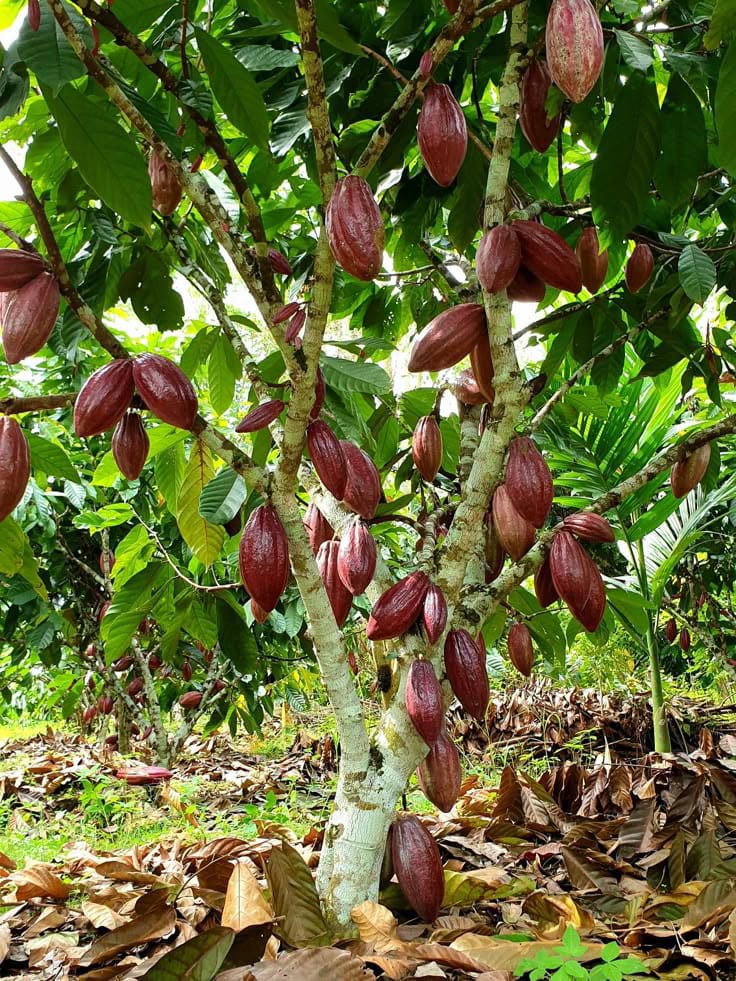
Today, cocoa trees are productive in three to four years after planting, while in the past, six to seven years was common. When the cocoa tree reaches its bearing age, flowers and fruits begin to appear in modest amounts. These fruits grow directly from the trunk of the tree and the thicker branches.
While there may be several thousand flowers on a mature tree, only a small number develop into fruits or pods. These take some six months to grow from a fertilized flower, and measure 10-15 cm around the center and are 15-25 cm long. The pod contains some 40 seeds or beans

Traditional treatment
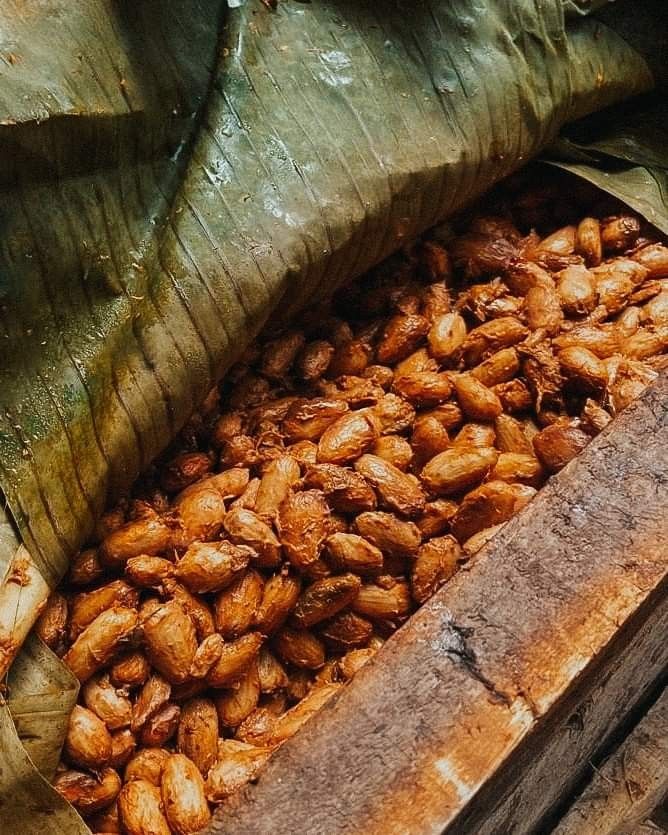
The traditional process is farmers place the pulp-covered beans on the ground, cover them with layers of banana leaves and allow the heap to remain for 4-7 days, depending on the variety of the bean. It is preferable to mix the heap every 2 days so that the bean mix ferments evenly. The fermentation is critical for the future development of color and flavor of the cocoa
Industrial treatment
Most of industrial fermentation uses 3 to 5 stepwise-positioned boxes method: the highest box is filled with pulp-covered beans, and after 1-2 days the content is mixed and transferred to the next lower box, a process which is repeated until the lowest box is reached. In 4-6 days
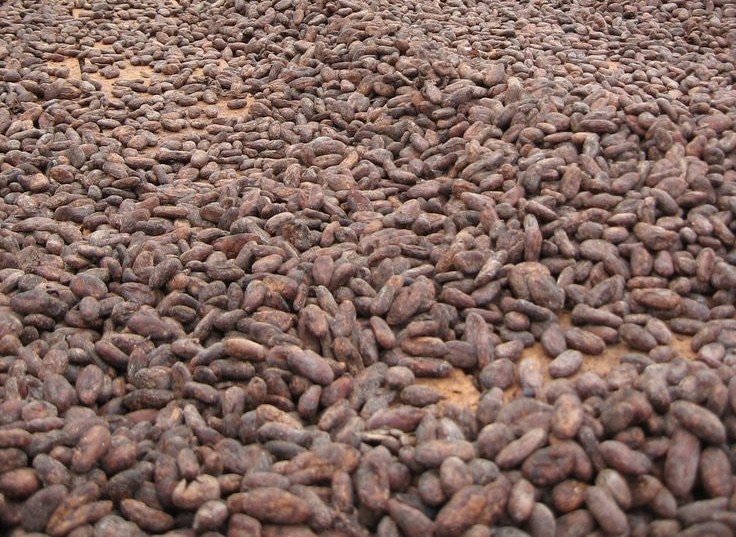
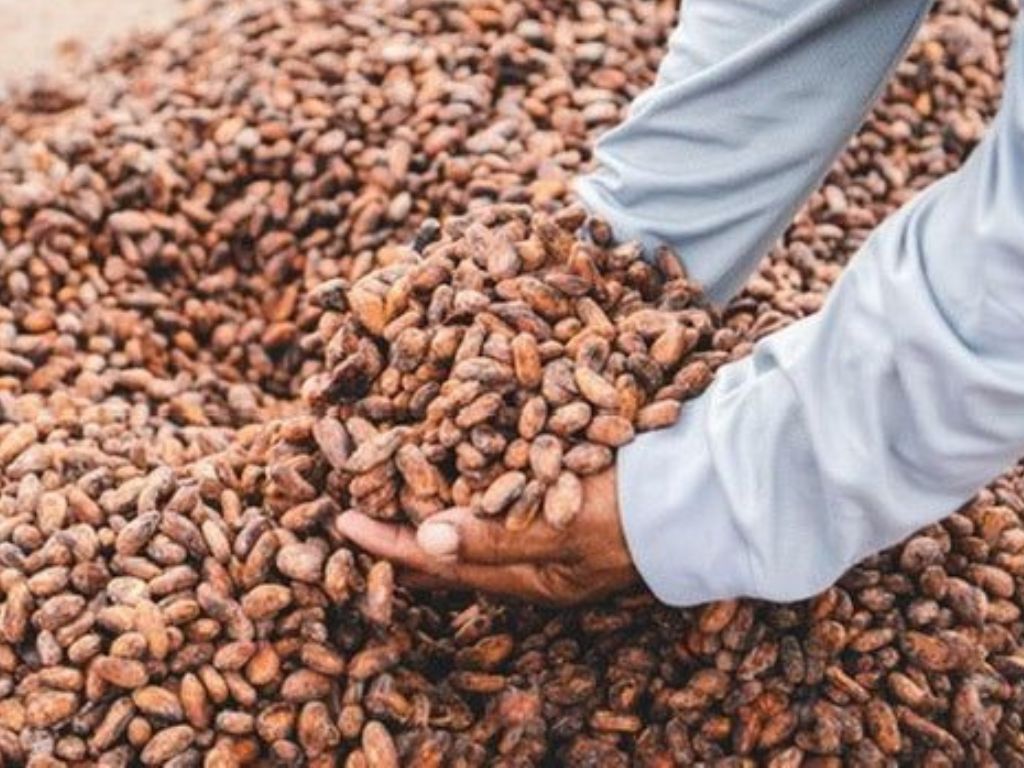
After the fermentation process to be done, the cocoa beans have to be dried to reduce moisture content to around 8%. the traditional method is to spread the beans out on mats or trays in the open air to dry under the sun for about 1 week. other techniques to avoid raining during harvest have had to be developed including indoor drying, solar drying and mechanical drying.
After fermentation and drying process, one pod produces around 40g of beans, one bean typically weighing around 1g. Once ripe the pods are mostly harvested by hand using long-handled cutting tools and then broken open to reveal the beans and the white pulp surrounding them.
The cocoa beans are properly screened, and foreign matter are removed.
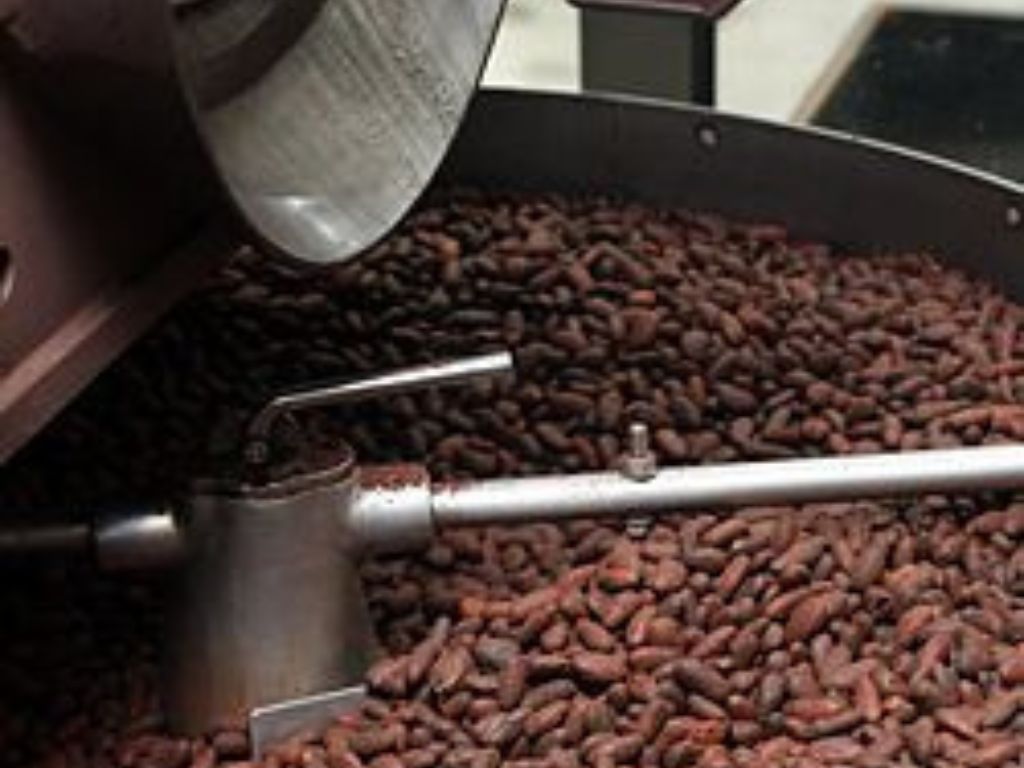
The objectives of the roasting process include reducing the water content and further developing flavor. Roasting is particularly important to solidifying the desired flavor of the cocoa beans because its flavor is formed from the precursors that developed during fermentation. Roasting temperatures range from 95-145° C depending on the process, equipment
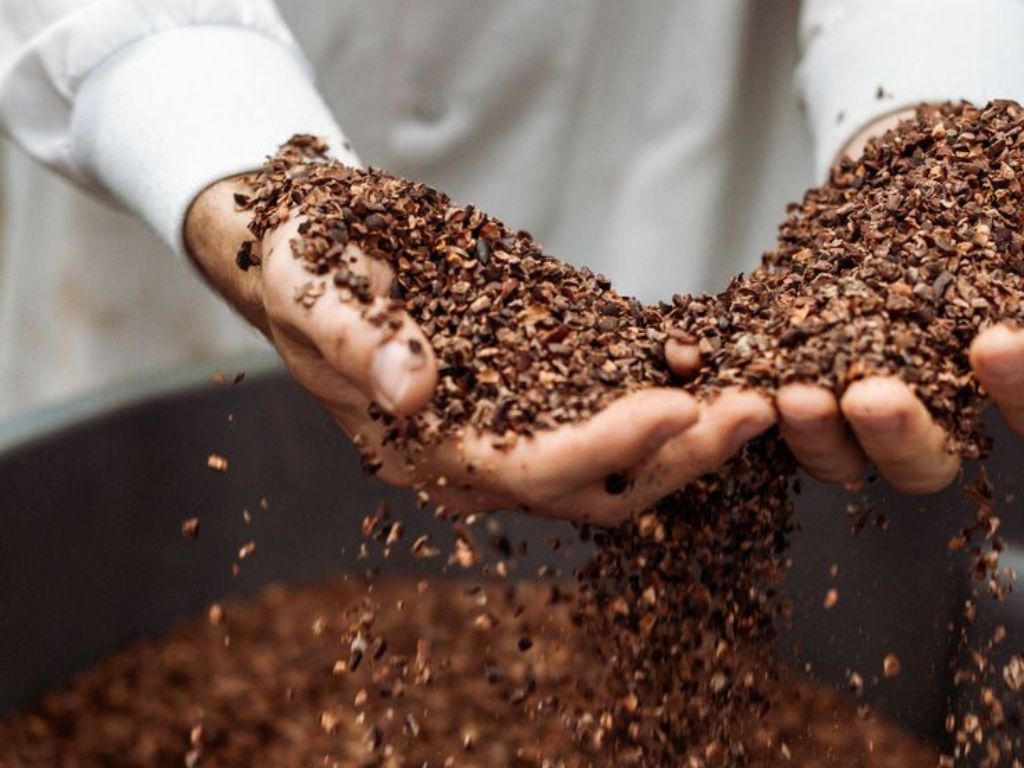
The clean cocoa beans are then broken to loosen the shells from the cocoa nibs. The breaking process takes place in multiple steps to avoid an excess of fine particles.
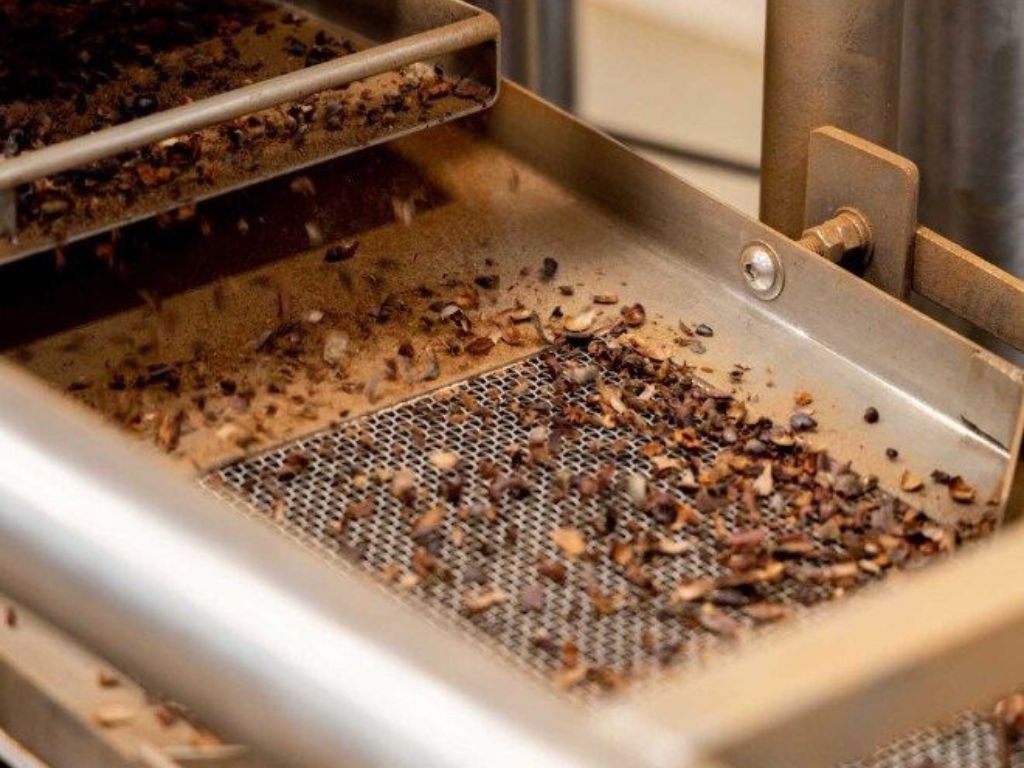
After the breaking , what remains is sieved into a number of fractions to reach optimal separation during winnowing. These fractions then go to the winnowing cabinets, where the ‘lighter’, broken shell is removed by a stream of air.
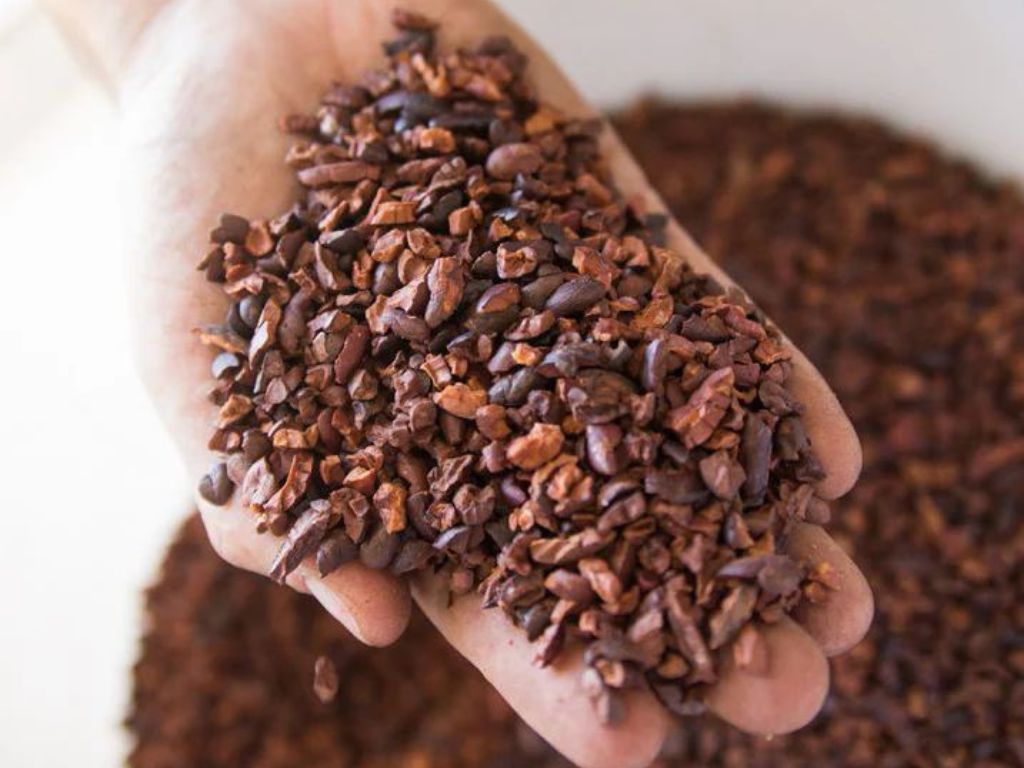
The breaking and winnowing steps separate the essential ingredient of the cocoa beans, the kernel, most often described as the cocoa nib, from its shell
After the cocoa nibs are separated from the cocoa beans shells, they undergo a sterilization step. The cocoa nibs are sterilized in a batch, or a continuous process, by wetting and heating them with steam. A growing amount of cocoa qualifies, because of the unique nature of its supply chain, as ethically and sustainably sourced. Where applicable, highlighting those aspects can help attract environmentally conscious consumers. After sterilization, can be alkalized first (Dutching process)
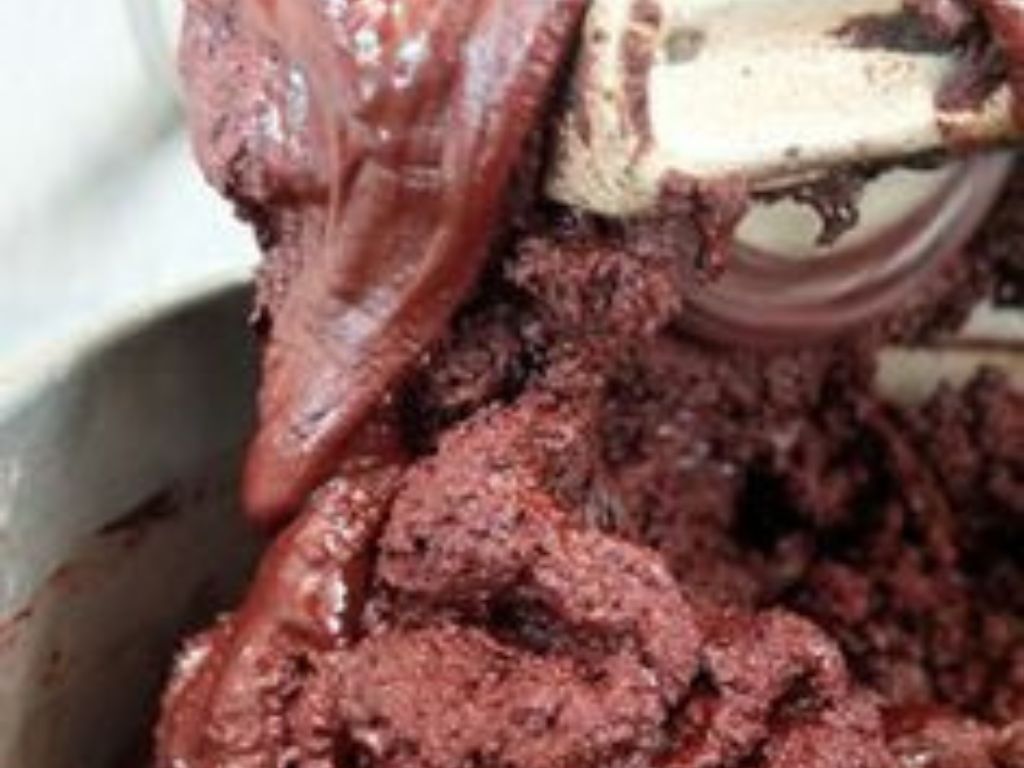
During grinding, the broken kernels change from a solid to a fluid mass of cocoa particles suspended in cocoa butter. This is due to the high-fat content of the cocoa bean: about half of the nib is fat. Grinding breaks up the cell structure of the cocoa nibs and releases the cocoa butter. The cocoa nibs are ground using the three-step process illustrated opposite
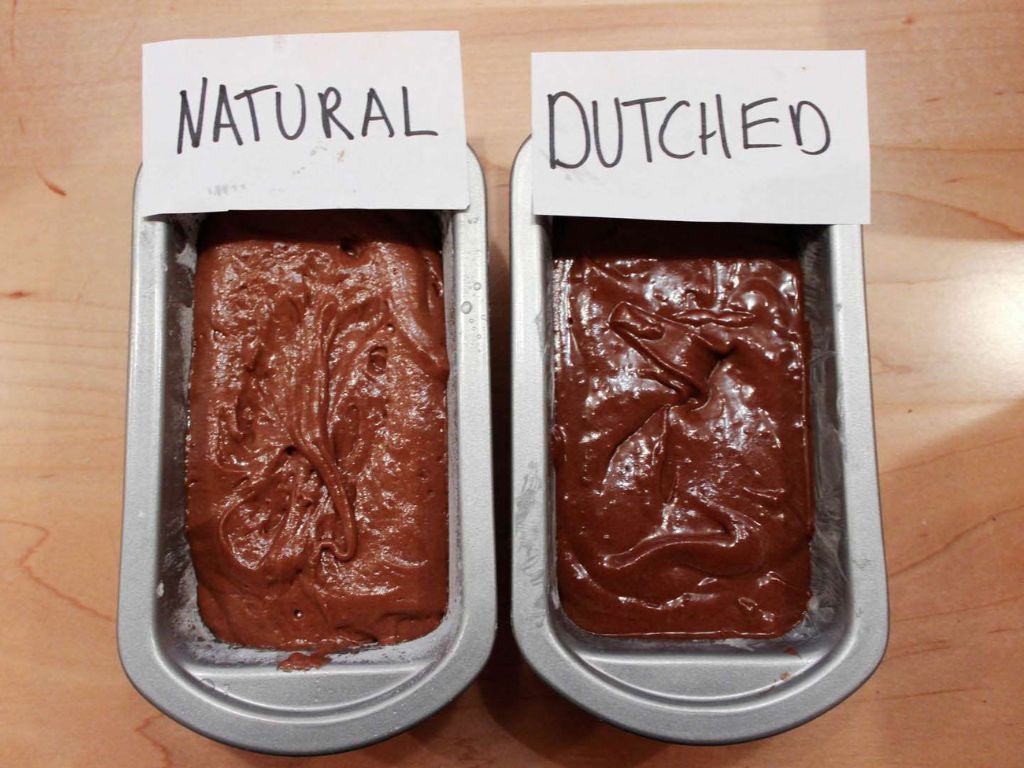
Alkalizing or Dutching cocoa consists of treating the cocoa mass with an alkali solution such as potassium or sodium carbonate. It is practised primarily to modify the color and flavor
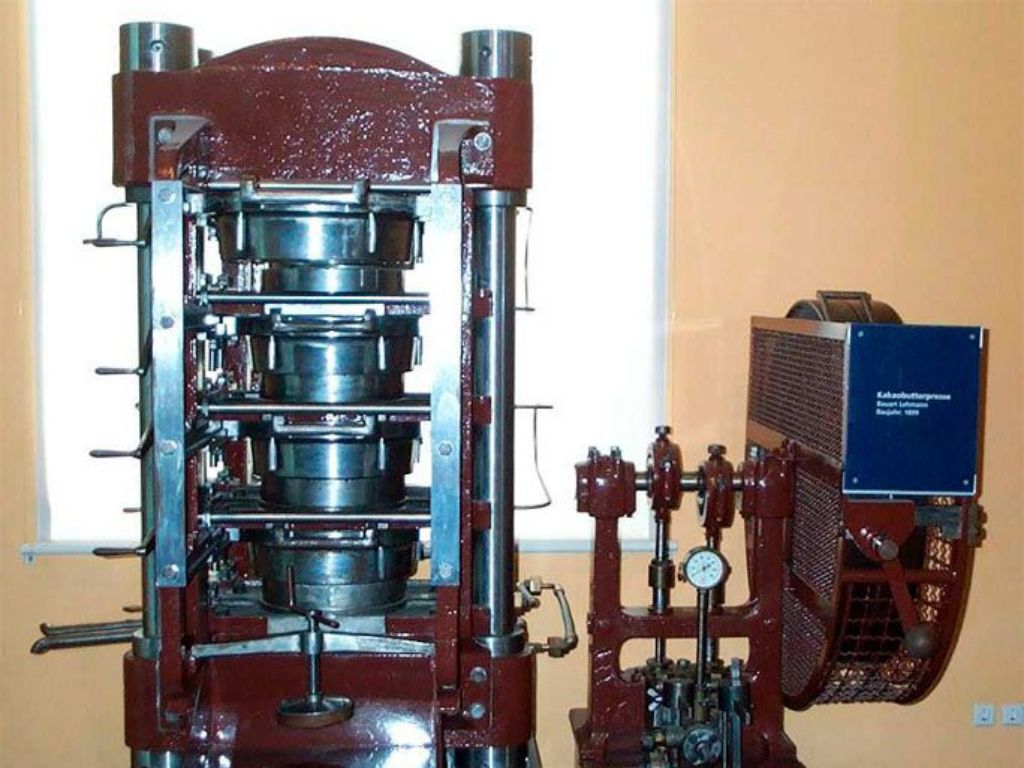
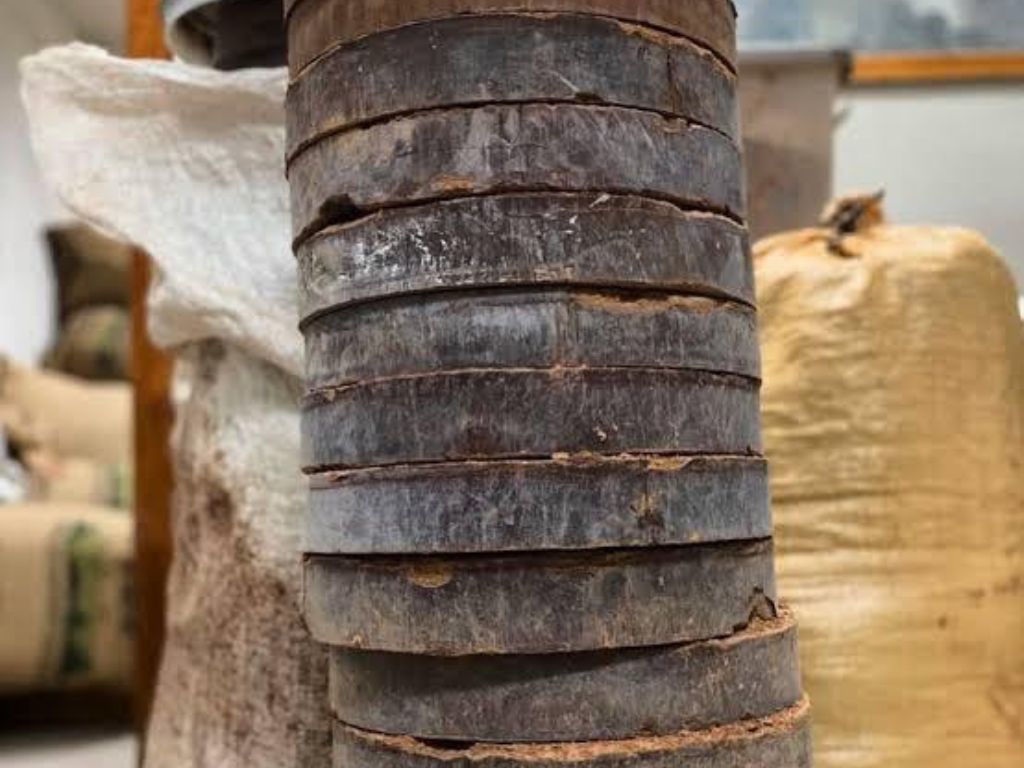
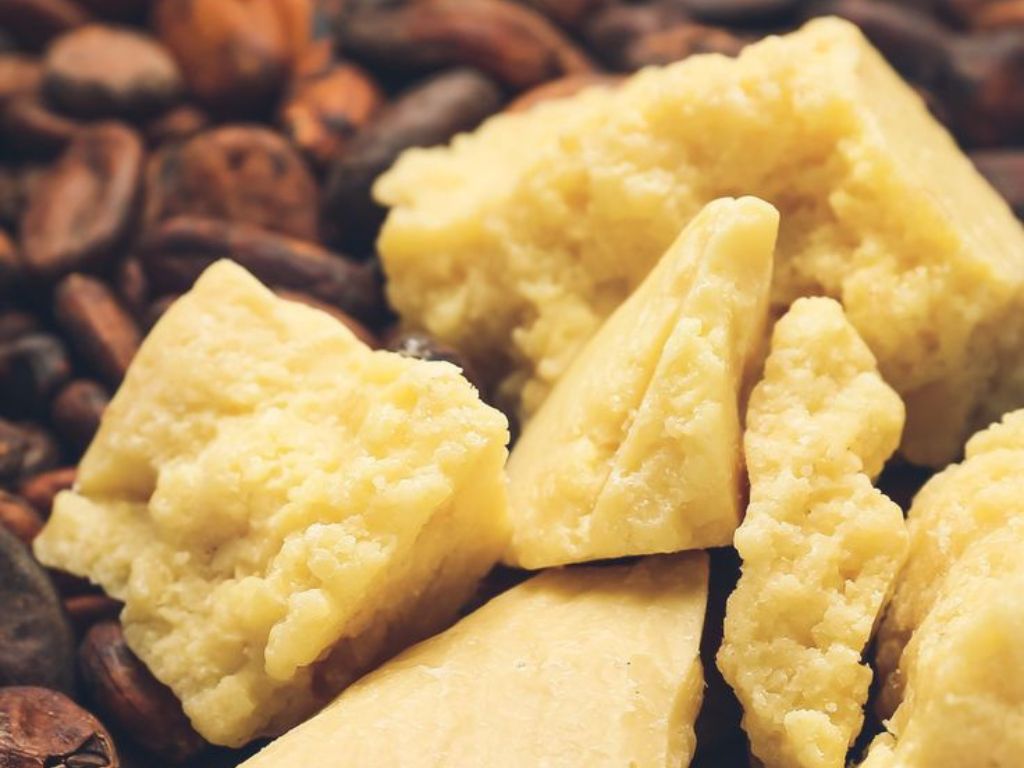
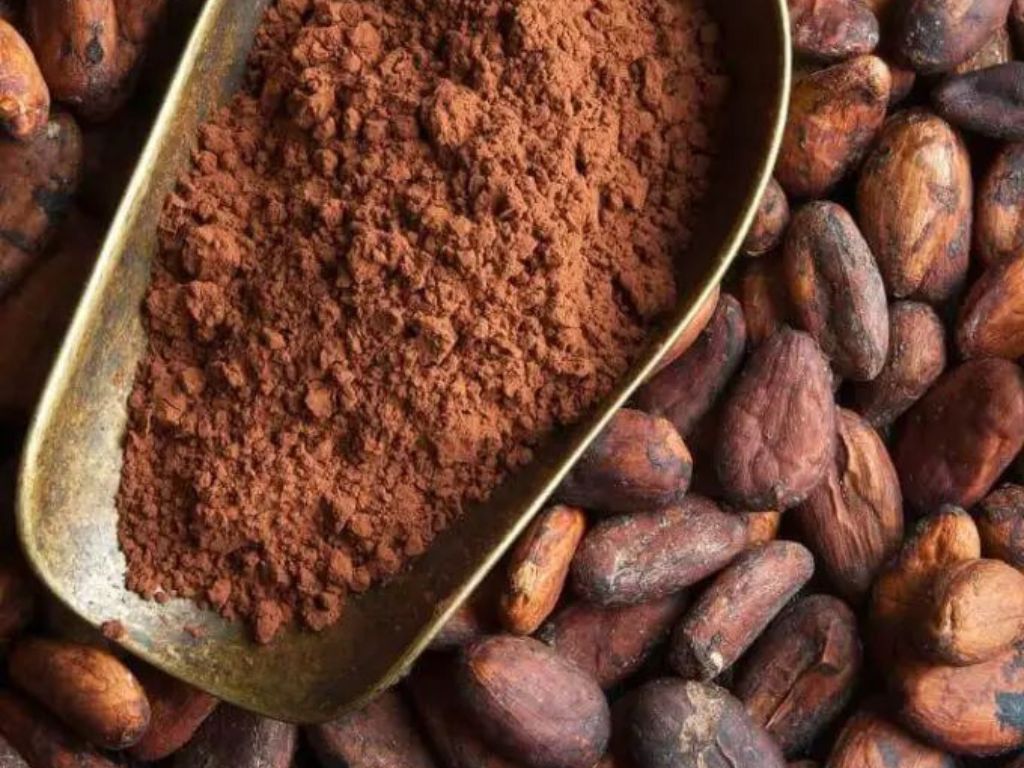
The pressing process separates the cocoa mass into two parts, cocoa cake for the production of cocoa powder, and cocoa butter. Cocoa butter constitutes about half the weight of cocoa nibs. This fat is partially removed from the cocoa mass by means of hydraulic presses applying pressures as high as 450 kg/cm2. Depending upon the pressing time and the setting of the press, the resulting cocoa cakes may have a fat content of 10 to 24%
Once the cocoa nibs are grounded they transform into a liquid cocoa mass. This finely grounded fluid mass can either be stored in tanks to await pressing, or be shipped and used most often by chocolate manufacturers to further process the chocolate.
After pressing, the cakes are broken into kibbled cakes. Kibbled cake is typically stored by fat content and degree of alkalization and may be blended before pulverisation to obtain the desired type of cocoa powder
The cocoa butter from the presses is filtered and stored. Depending on the desired outcome the cocoa butter can then be partly or wholly deodorised, blended and shipped to manufacturers
The powder grinding lines pulverise cocoa cake particles into the defined fineness levels. After pulverisation, the powder is cooled so that the fat of the cocoa powder crystallises into its stable form. This helps prevent any discolouration (fat bloom) or lump formation in the bags later, a phenomenon that is caused by insufficient crystallisation of the fat at the moment of filling.